
Cafés and coffee-led rooms
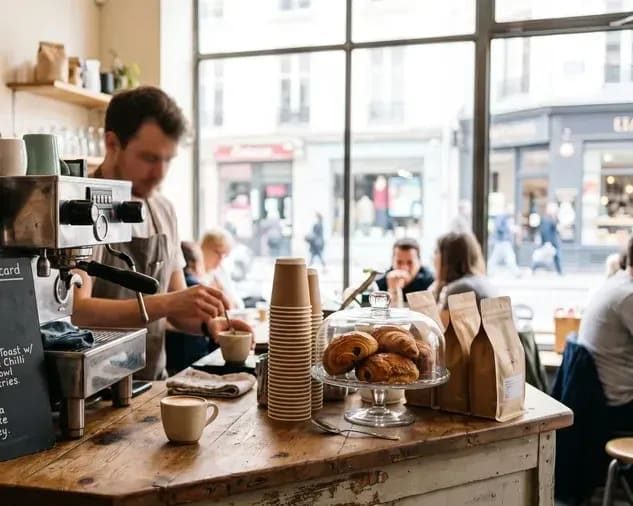
The coffee list runs first and the food is written to sit beside it. Expect a card that stays short and stays open all day, read standing at a counter as often as sitting down.
Menuvanta gathers menus from many kinds of food places and from many different settings around the world, and holds them together in a single destination instead of scattering them across separate sites.
Reach, here, is not a claim about territory. It is the range of rooms whose menus you can open without leaving this one place: a counter that serves the same street every morning, a dining room that only fills in the evening, a bar whose kitchen writes to match what is being poured, a bakery whose card is finished by the time the ovens cool.
The sections that follow are ways into that span. They are groupings meant to be walked through - not a taxonomy to admire, and not a set of filters to be stacked on top of one another. Whichever one you step through, you arrive at the same thing: a complete menu, held the way the venue wrote it.
Choose the doorway that sits closest to the visit or the menu already in your head. If none of them quite fits, the whole run is waiting on Every Menu Open Here.
Everyday counters, sit-down dining rooms, bars where the drinks lead, bakeries working through what came out of the oven - all of them reach Menuvanta, and all of them open the same clear way.
The coffee list runs first and the food is written to sit beside it. Expect a card that stays short and stays open all day, read standing at a counter as often as sitting down.
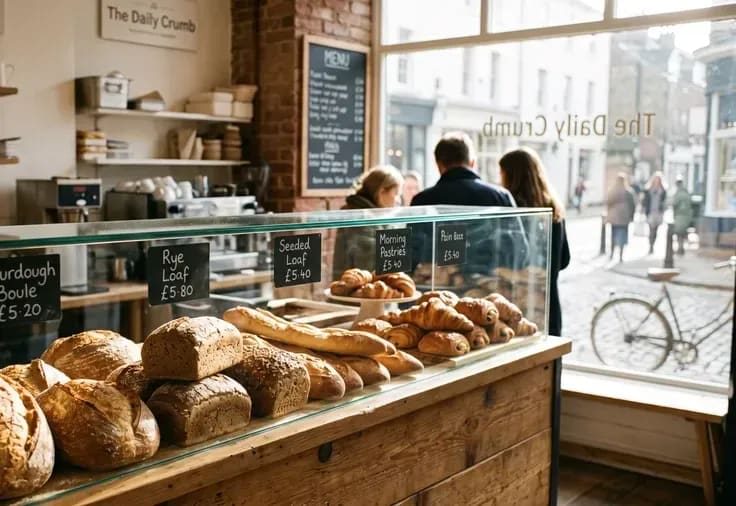
What came out of the ovens sets the card, so the menu is grouped by what is baked rather than by course, and it is read across a glass counter rather than from a table.
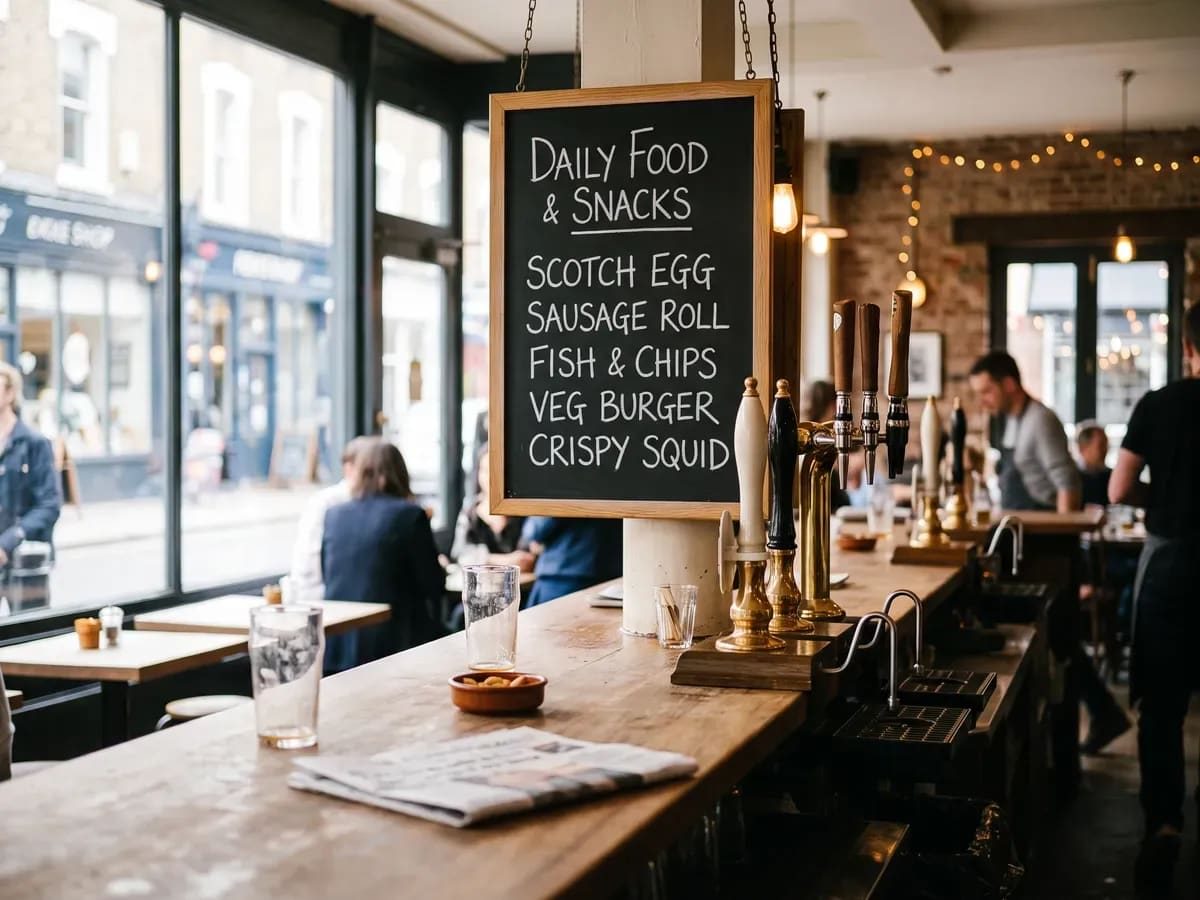
The drinks list carries the room and the kitchen writes to match it. The food section is usually shaped to be shared, and it makes most sense read next to what is being poured.
Courses are grouped and ordered on purpose, and the shape of the card tells you how a meal there is meant to run before you have chosen a single dish.
Plain rooms that feed the people around them. The menu explains itself, nothing on it is written to impress, and that flatness is exactly what makes it useful to read in advance.
Step through any of these and you land in the same destination: one venue, one card, opened in full. The kind of room changes what the menu looks like; it never changes how much of it you get to see. Open the live run of menus
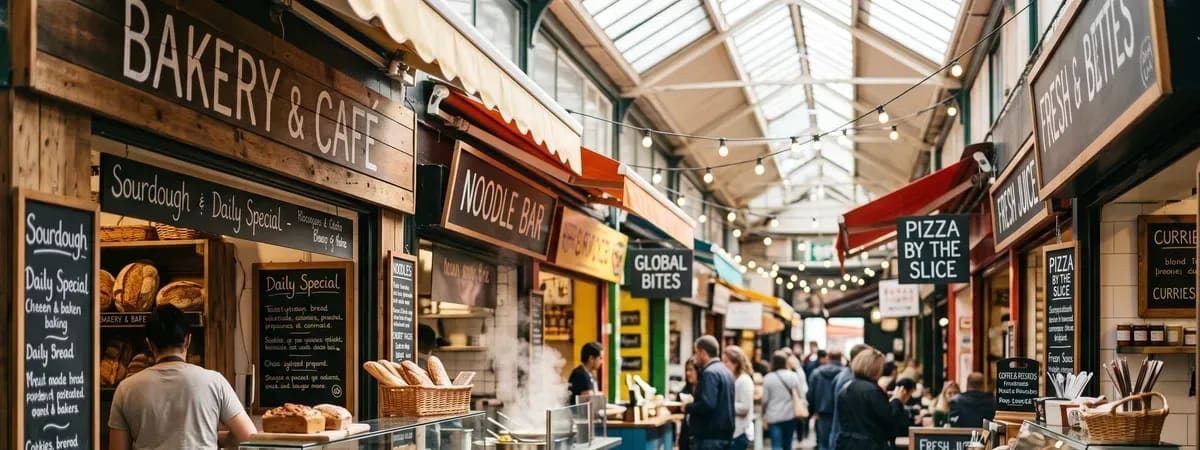
The span takes in dense city streets, quieter towns, coastal stretches, inland centres and the counters built around people passing through. These are ways in, described by the feel of what surrounds a room - not by coordinates.
Blocks where kitchens run long hours and a card can be rewritten between one visit and the next.
Rooms whose menus are pitched at the people living within walking distance of the door.
Cards that move with whatever is landed nearby, and that read differently in and out of season.
Places set apart from the busy streets, where the menu tends to do the explaining on its own.
Counters built for people moving through, where reading the card in advance saves the most time of all.
However you arrive - by the kind of room, by the kind of street around it, or straight by name - the menu that opens is held the same way and shows you the same things.
A loosely gathered set of real venues currently represented here - different kinds of rooms, from different sorts of surroundings - pulled together to show what sits behind the groupings above. Each card opens into a full menu entry.
At least three venue records are carried in this grouping, each one presented as a card. A card shows only what the record itself holds: the venue name, the kind of place it is, the summary line that came with it, its badges, the review figure and count, the address, the photograph, and a plain button that opens the menu. No card shows a price or a currency; pricing lives inside the open menu, in the venue’s own presentation.
This is a glimpse, not a ranking and not a comparison set. One record is carried at larger scale because the composition asks for it, and that says nothing whatsoever about the room behind it.
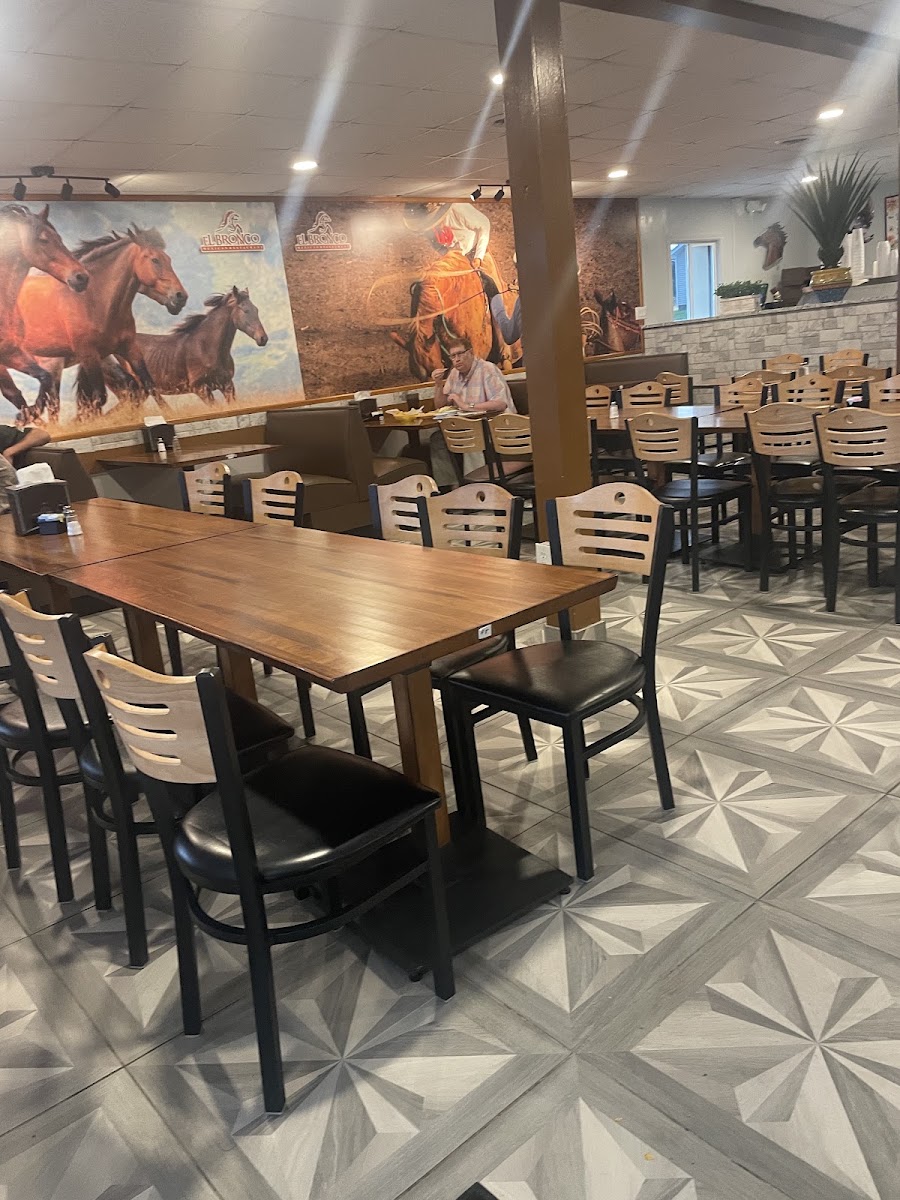
10218 Hwy 70 E, McEwen, TN 37101, United States
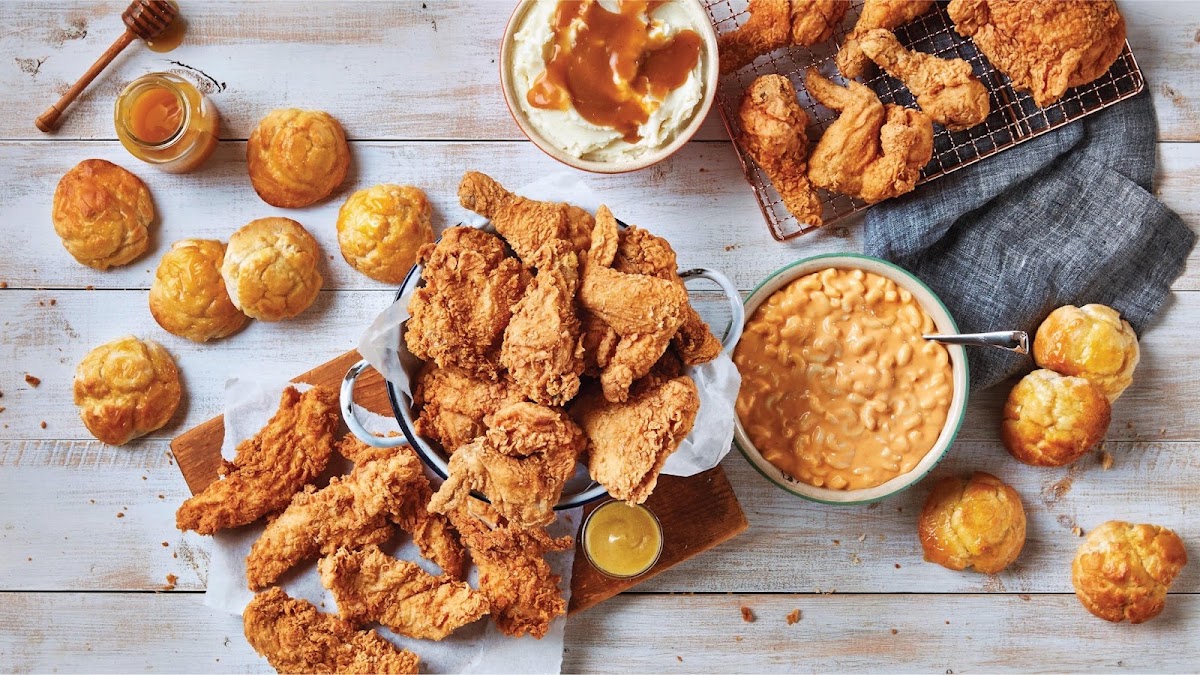
1800 E Merritt Island Cswy, Merritt Island, FL 32952, United States
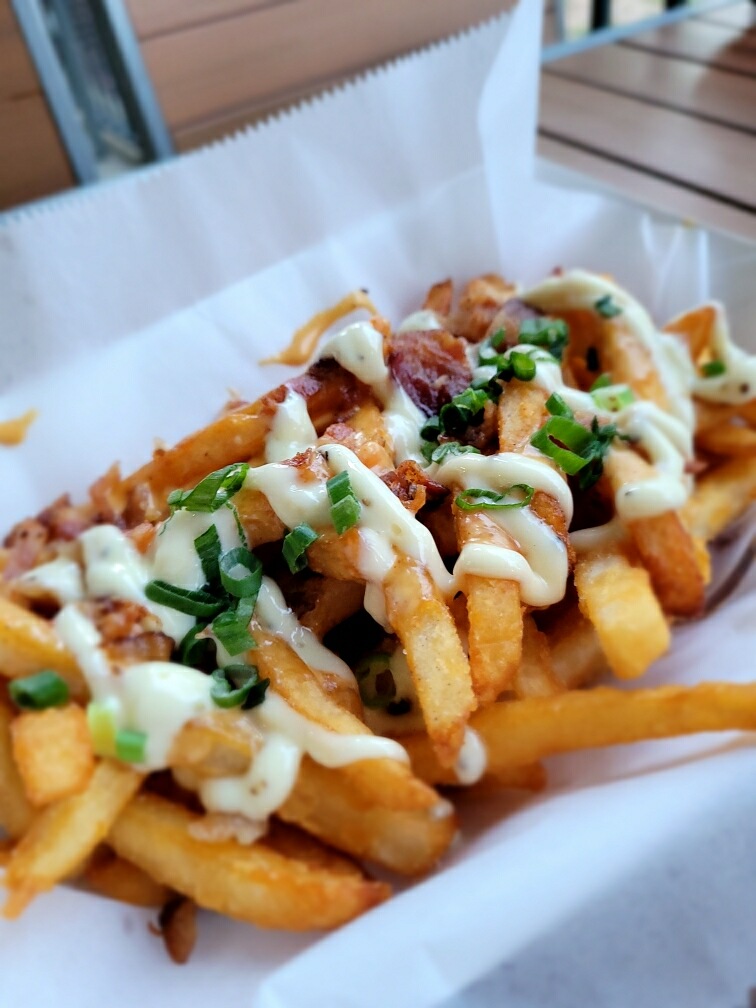
7101 Highland Creek Pkwy, Charlotte, NC 28269, United States
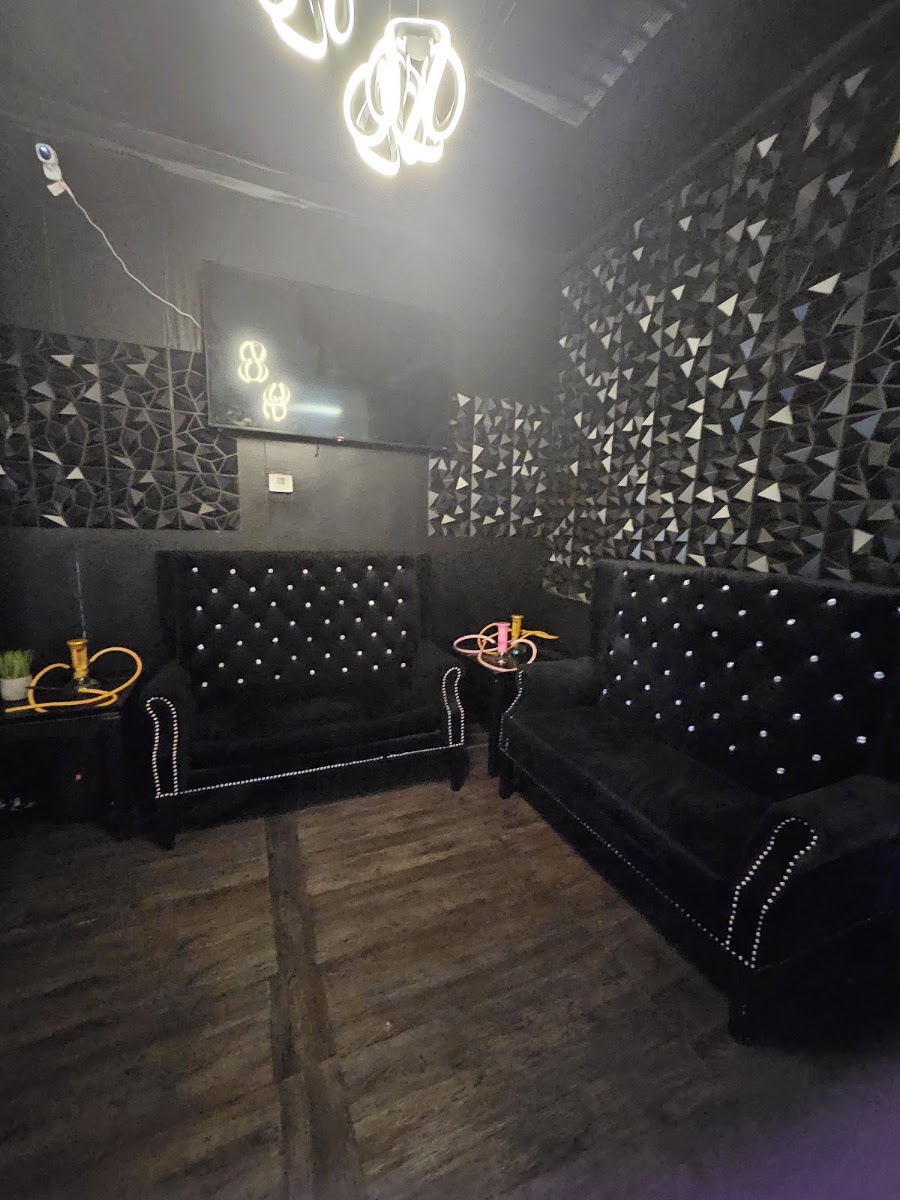
New menus and new venues join as Menuvanta learns of more food places and as updates arrive from the rooms themselves. The aim is both halves at once: a span that keeps widening, and an entry that is still complete when you open it.
Widening is the easier half. Holding a menu whole - every section, the wording the kitchen chose, the prices as they are printed - is the half that decides whether the reach was worth building.
So Menuvanta would rather add a menu correctly than add it quickly. Nothing here is padded out to look wider than it is, no coverage is claimed that has not been earned entry by entry, and no detail is invented to fill a gap in a card.
Bring Your Menu sets out how to put a card forward, claim an entry that already exists, or correct one that has slipped behind what you are serving now.
Open Line is where to say that a place is missing from the span, or that an entry no longer matches the room it stands for.
You have seen how wide this goes. The next step is the ordinary one: open something. The live run sits on Every Menu Open Here, and the homepage starts you off with a featured set if you would rather be handed somewhere to begin.
Whether you came in by kind of place or by kind of surroundings, both paths converge on the same thing - an entry that carries the whole card, in the venue’s own words and its own order. The doorways were only ever a way of getting there faster.
If what interests you is the thinking underneath all this - why the reach is built the way it is, and what it refuses to do - that is set out on Built for Everywhere.