
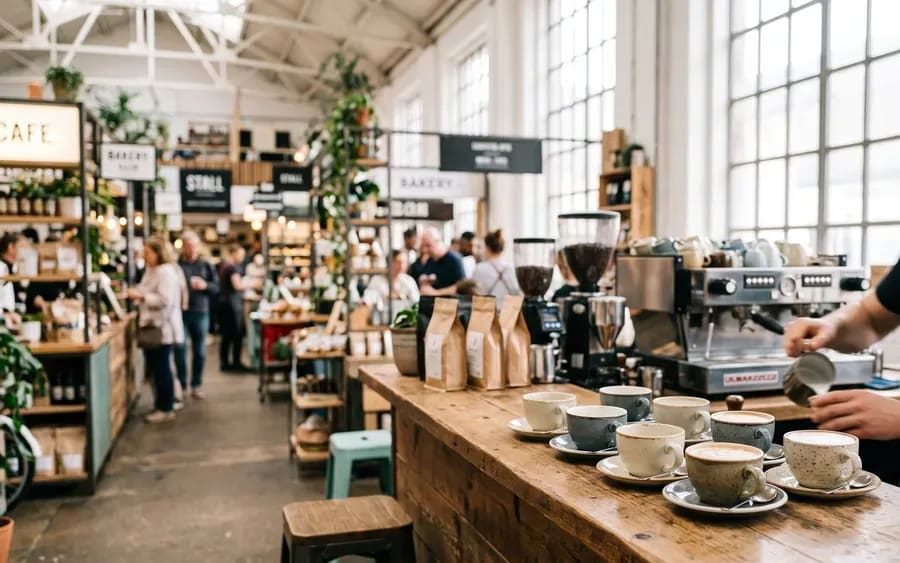
Doorway
Cafés and coffee-led rooms
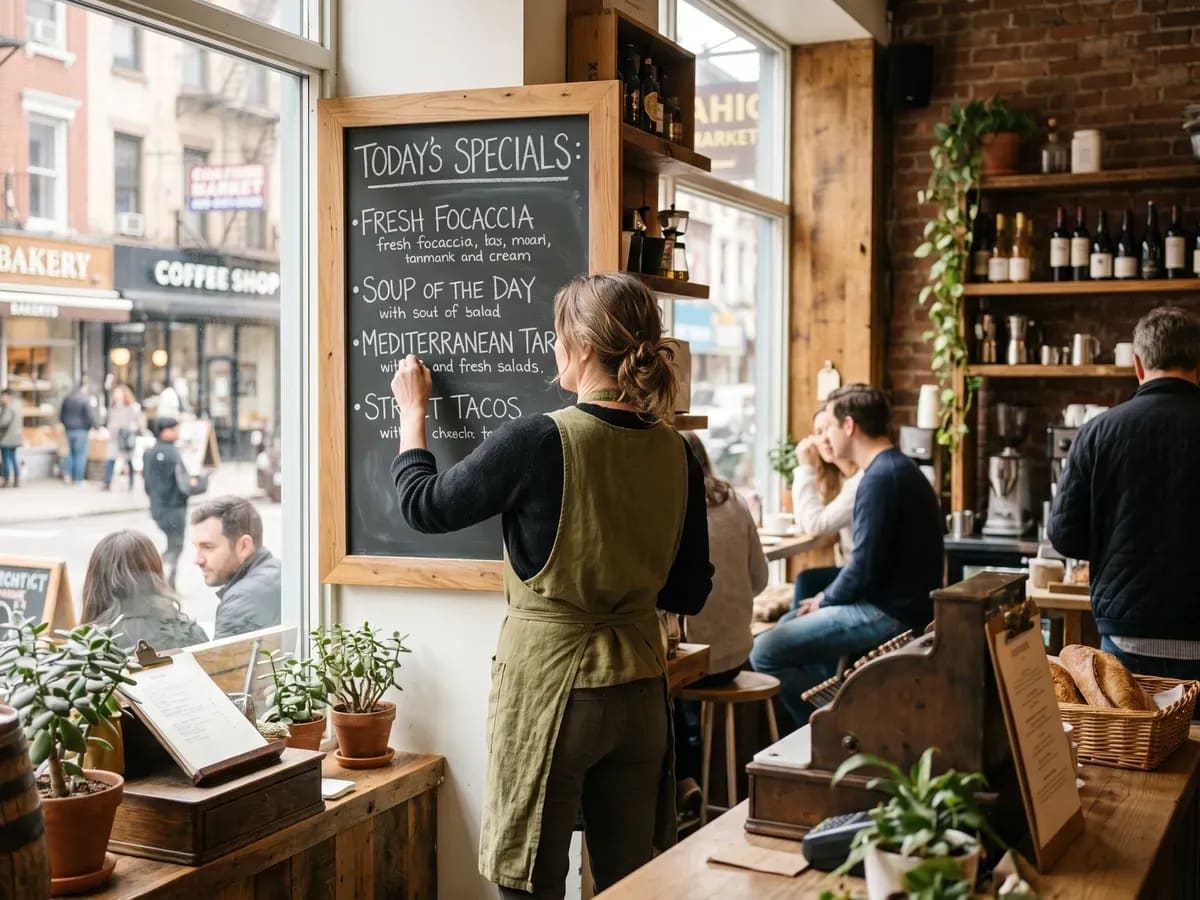
Cards written to be read standing up: short lines, few adjectives, the food described in the space left over beside the coffee.
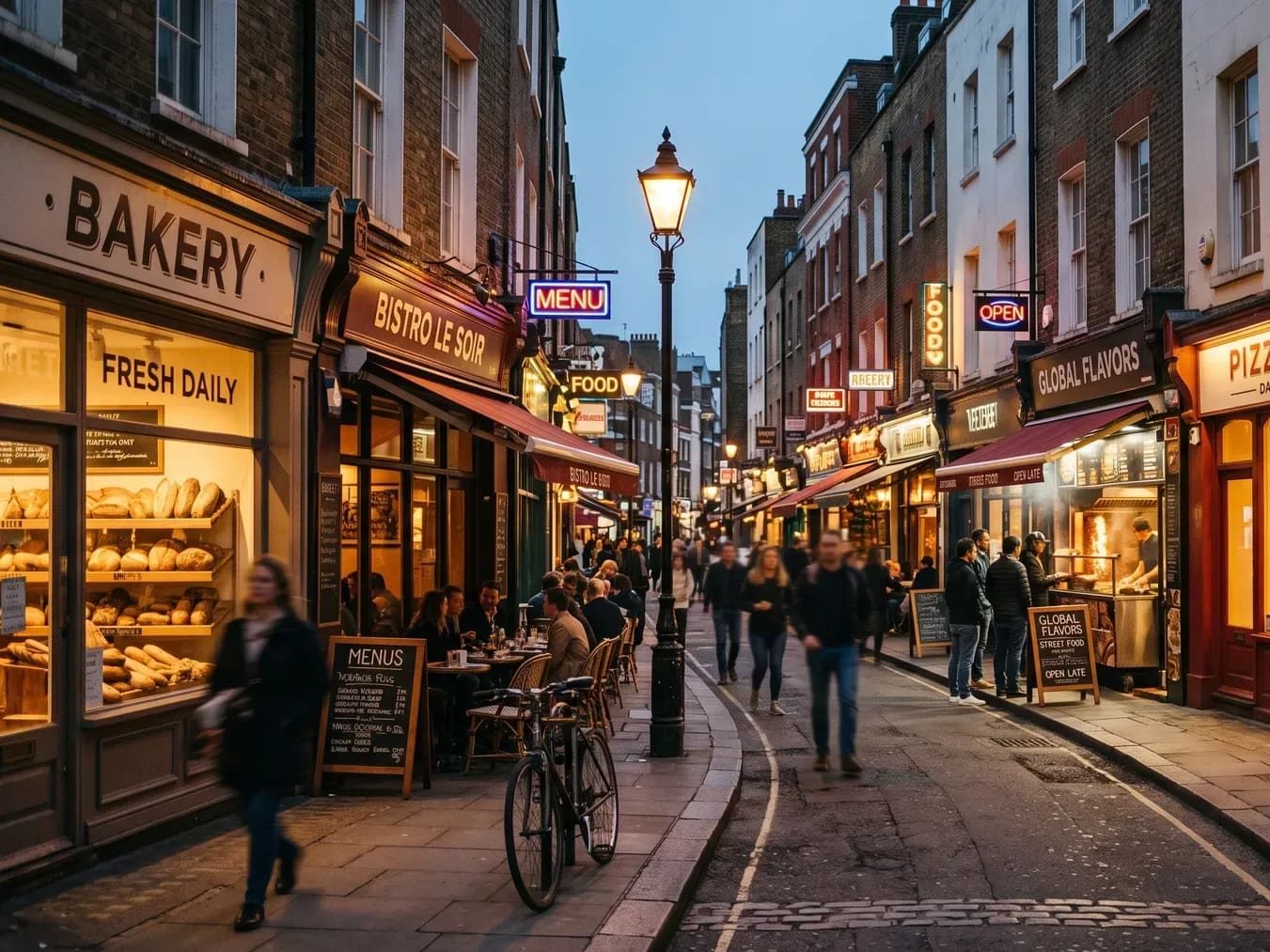
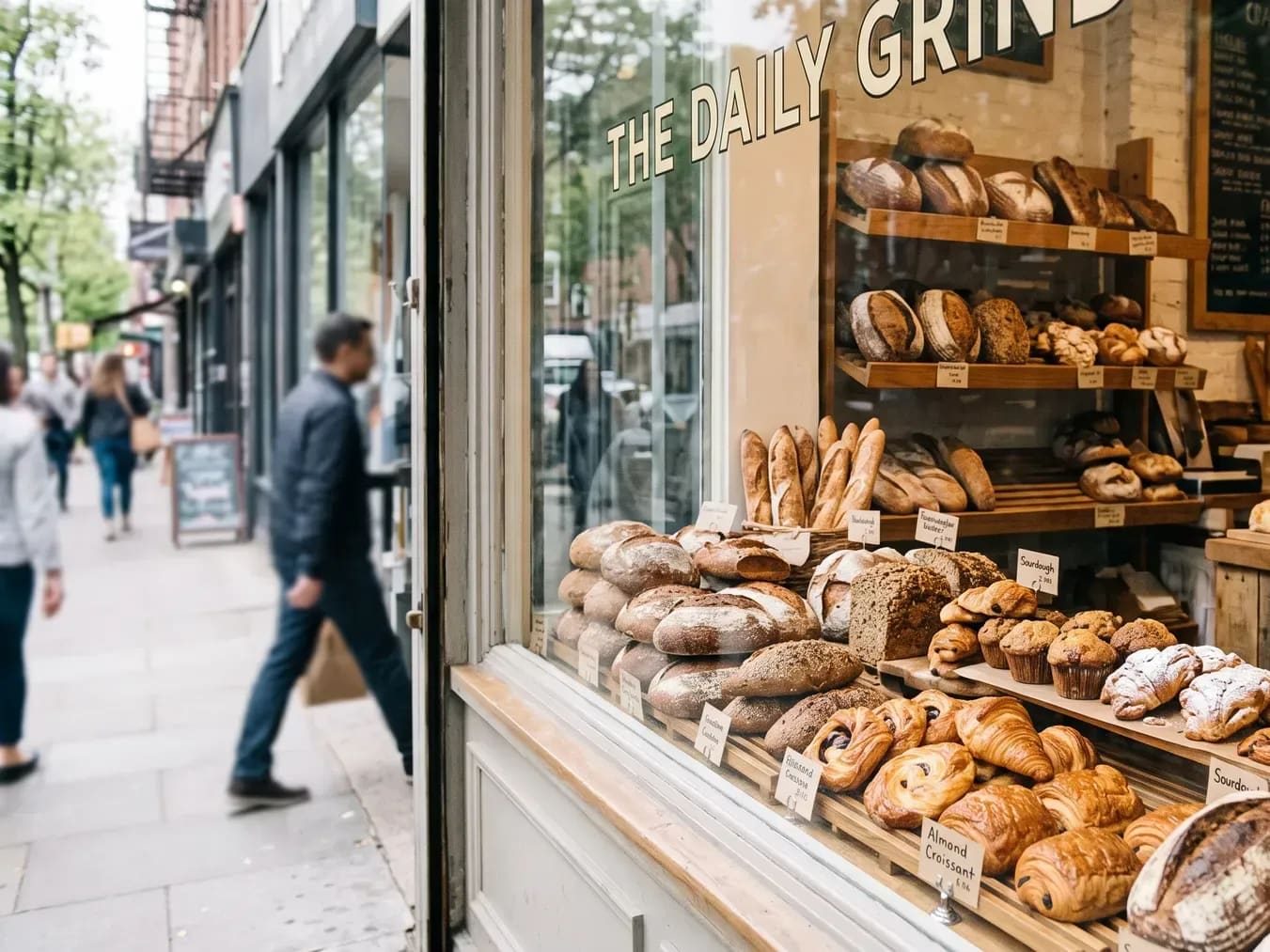
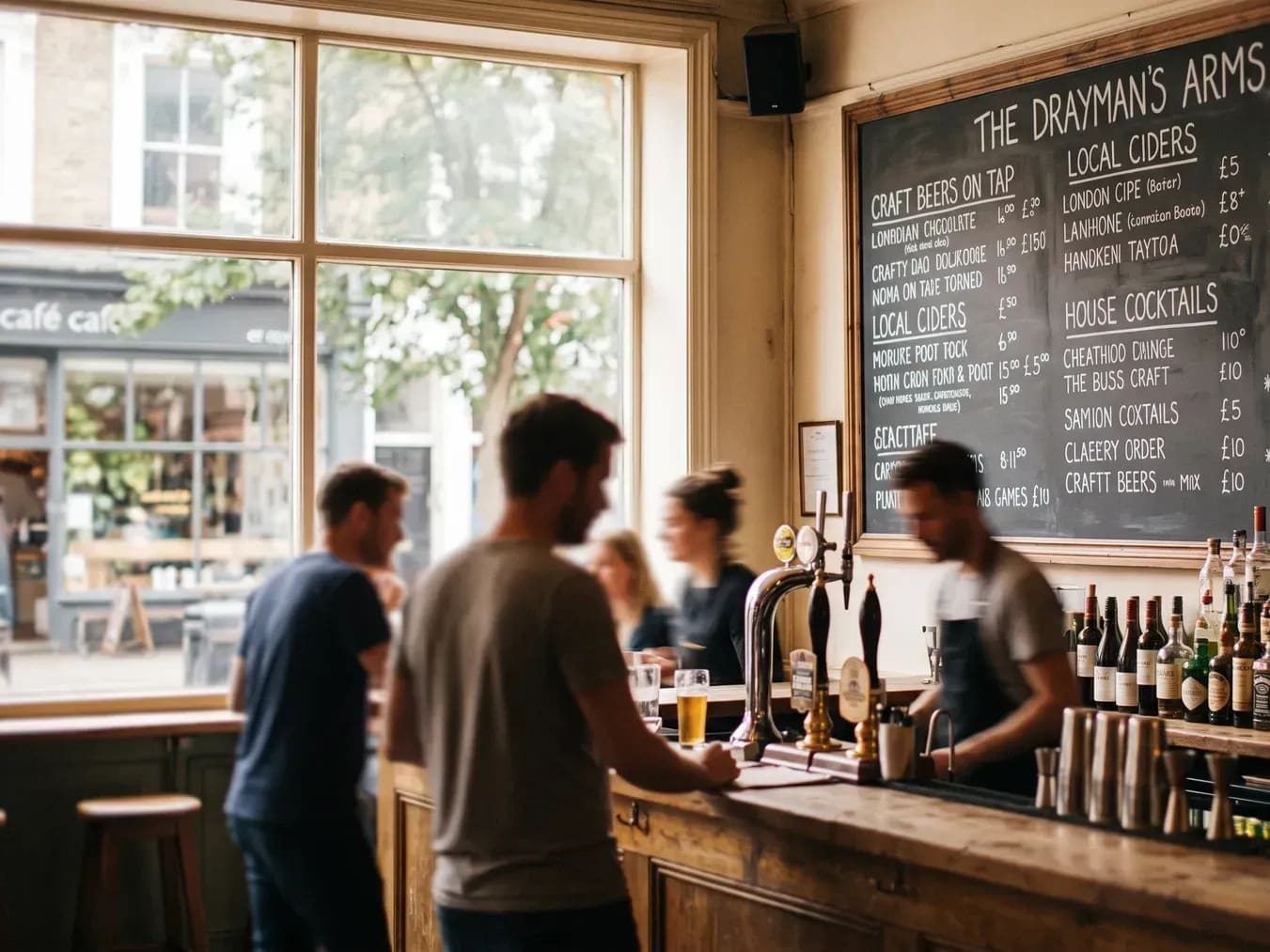
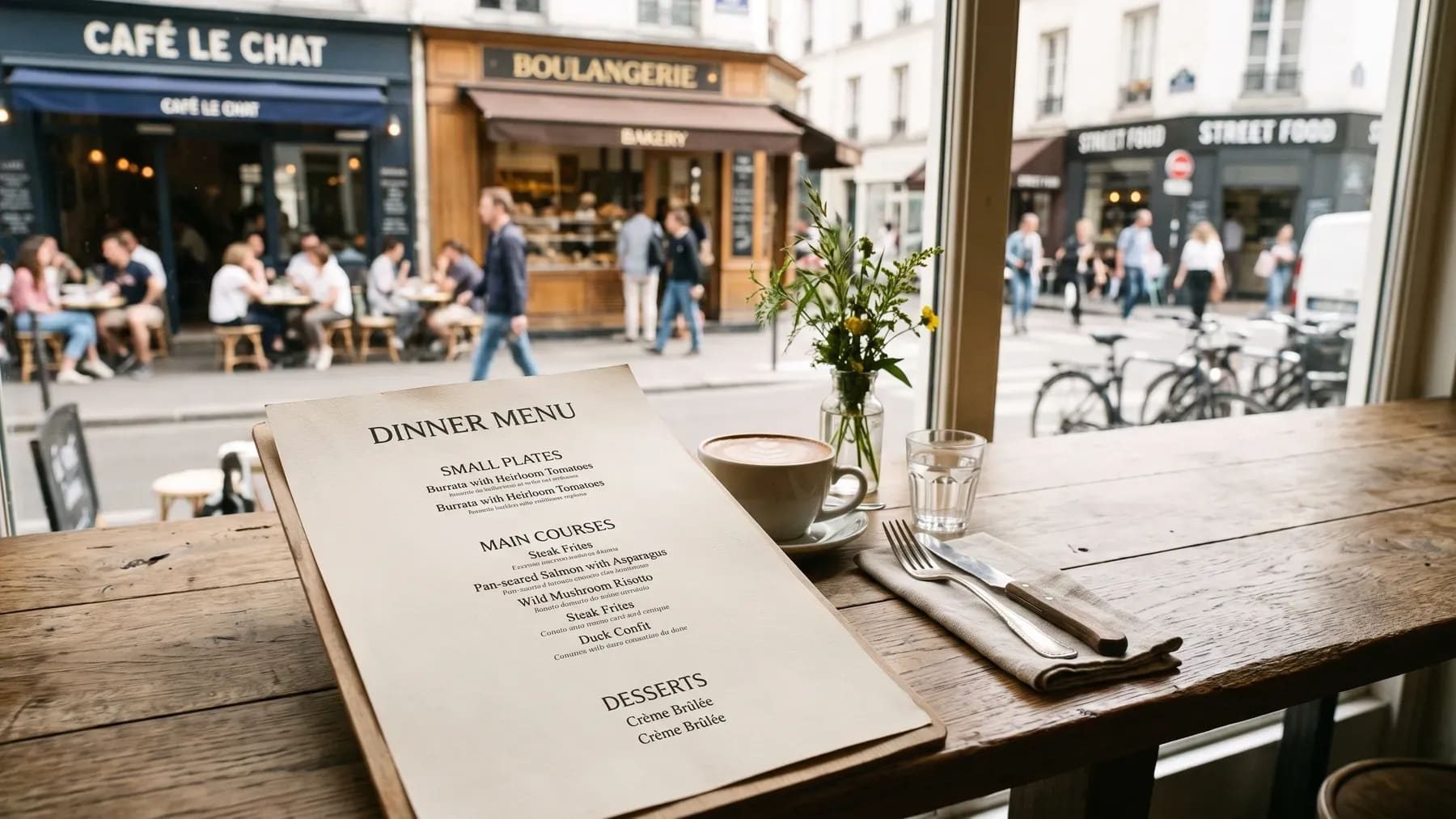
A menu is a piece of writing before it is a list of things to eat. Menuvanta keeps the wording, the section names and the spelling exactly as the kitchen set them down.
Menus are written by people with a room to run and forty minutes to spare, and it shows in the best possible way. Read one closely and you can hear who wrote it.
The reach keeps widening across kinds of food places and parts of the world, and every entry is held to the same measure: complete, plain, and opened in one stop.
A kitchen that writes six words under a dish is telling you something a kitchen that writes a paragraph is not. Section names give it away too: a card headed For the table expects a different evening from one headed Mains.
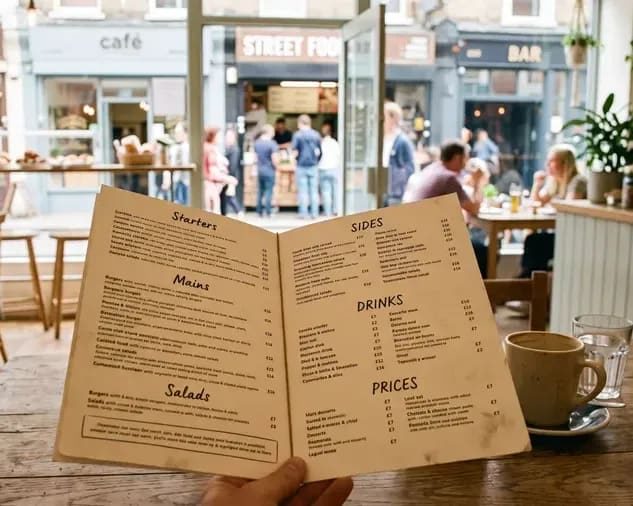
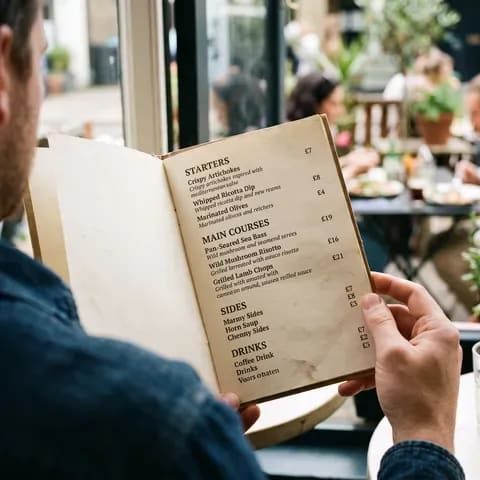
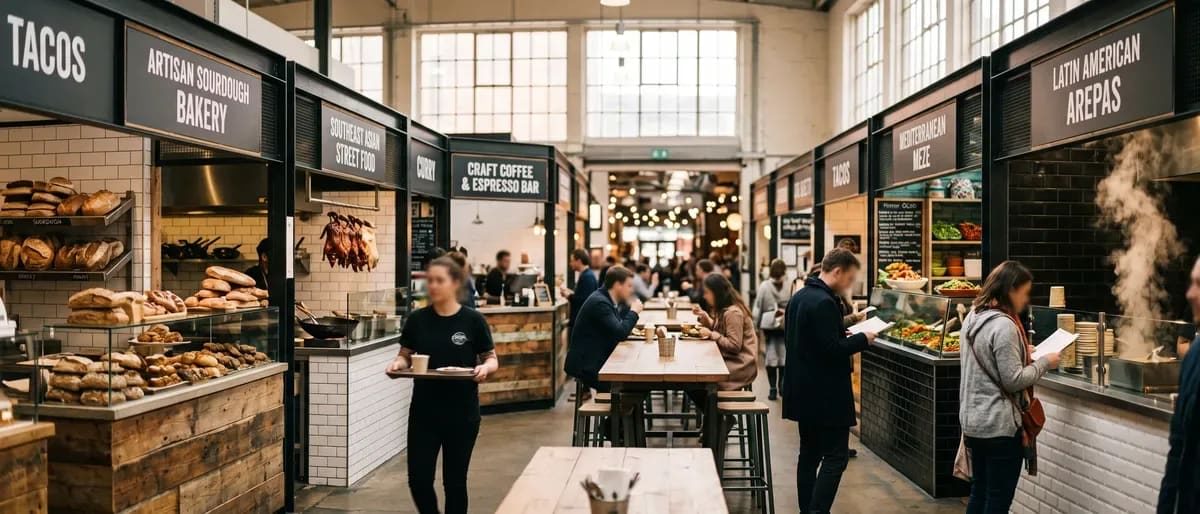
A counter writes short because you read it standing up. A dining room writes long because you read it sitting down with a drink already ordered. The groupings below sort cards by the writing habits behind them.
Each kind of room has its own way of putting a card together, and its own idea of how much explaining a dish needs.
Cards written to be read standing up: short lines, few adjectives, the food described in the space left over beside the coffee.
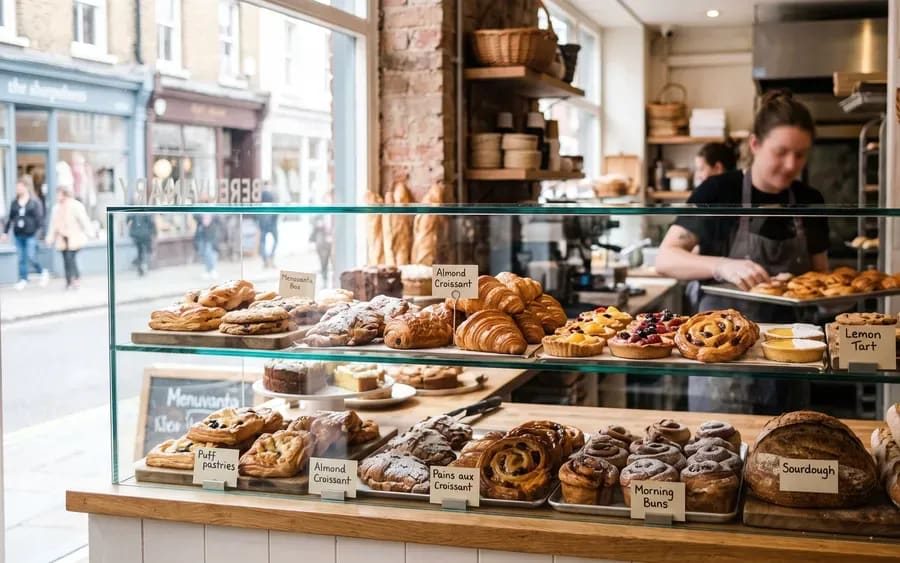
Often the least written of all. A name, sometimes a weight, and the assumption that you can see what you are buying.
Two documents that have to agree with each other. When the food card is written to match the drinks list, the food is usually described in the same register.
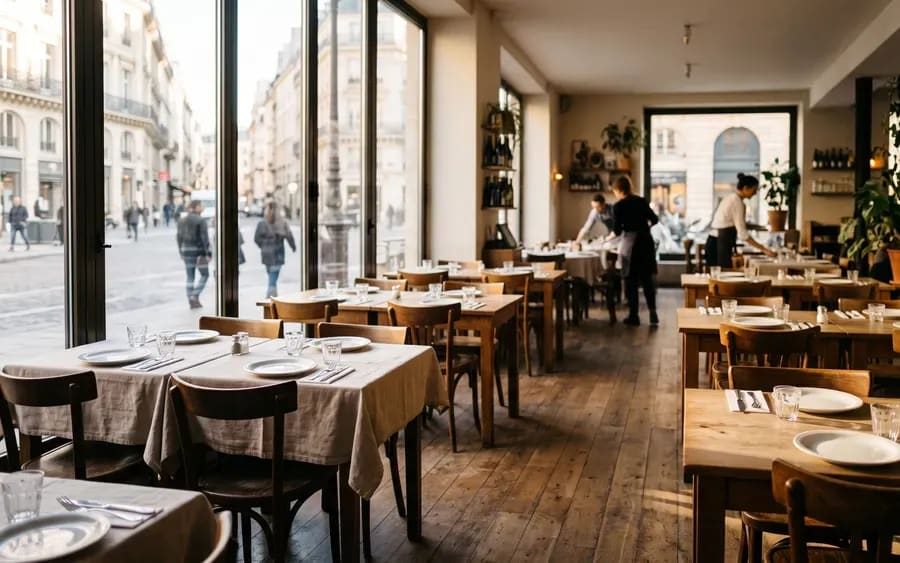
The longest cards, and the ones where a section name does the most work. This is where For the table and Sides tell you how the meal is meant to run.
Menus reach Menuvanta from many different settings. These are broad ways in, described by the feel of the surroundings rather than by coordinates.
Dense streets where kitchens run long hours and menus turn over quickly.
Rooms that mostly feed the people who live around them, written in that register.
Menus shaped by what comes in nearby and by a season that moves the card around.
Cards written for people who arrived on purpose, which usually means longer sentences and more of the story on the page.
Counters and rooms built for people passing through, where reading the card first saves the most time.
Whichever way you come in, you end up reading somebody's prose. That is the point of the trip.
Real cards from different kinds of rooms. Open two from the same category and the writing habits show up immediately, long before the prices do.
One card sits larger than the others for the sake of the page, which says nothing about the writing inside it. Prices are deliberately absent out here: a price read without the sentence around it is the fastest way to misread a menu.
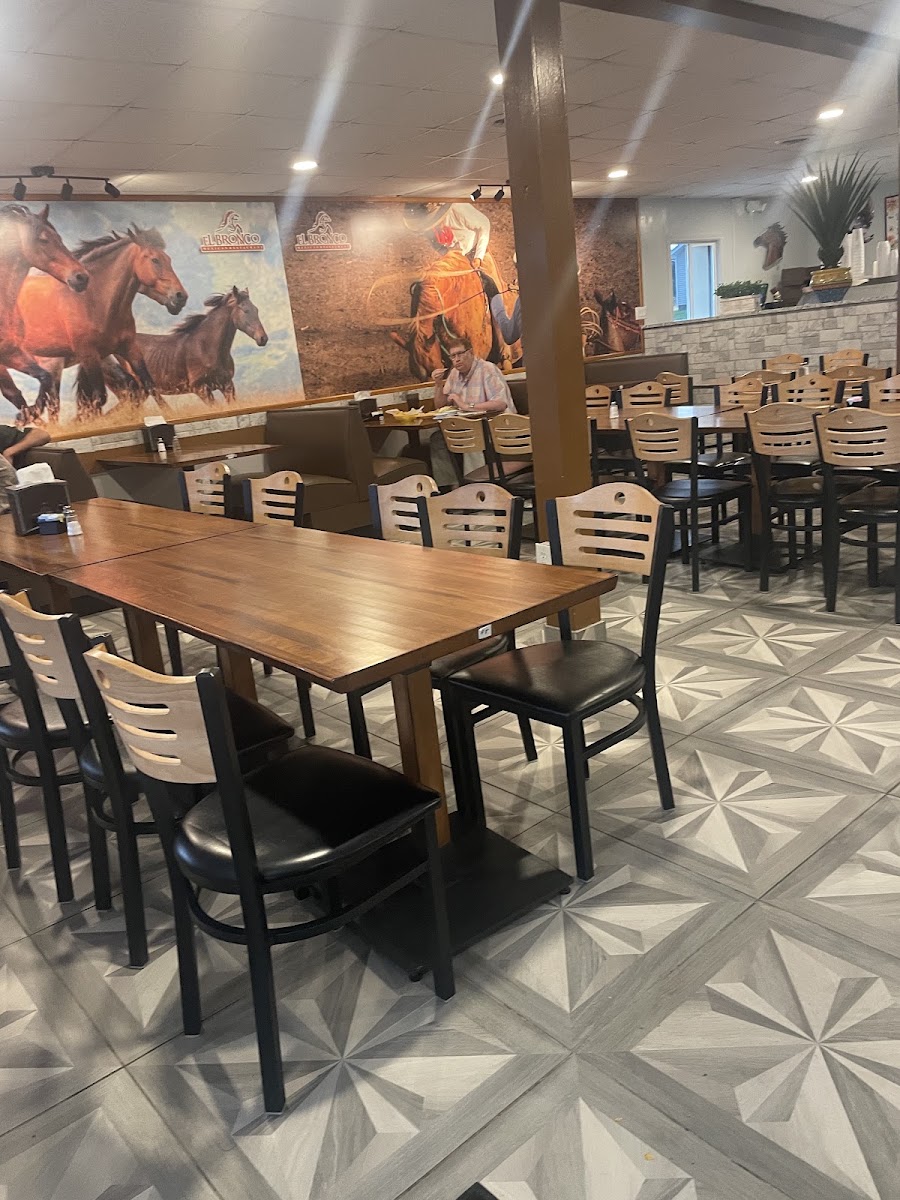
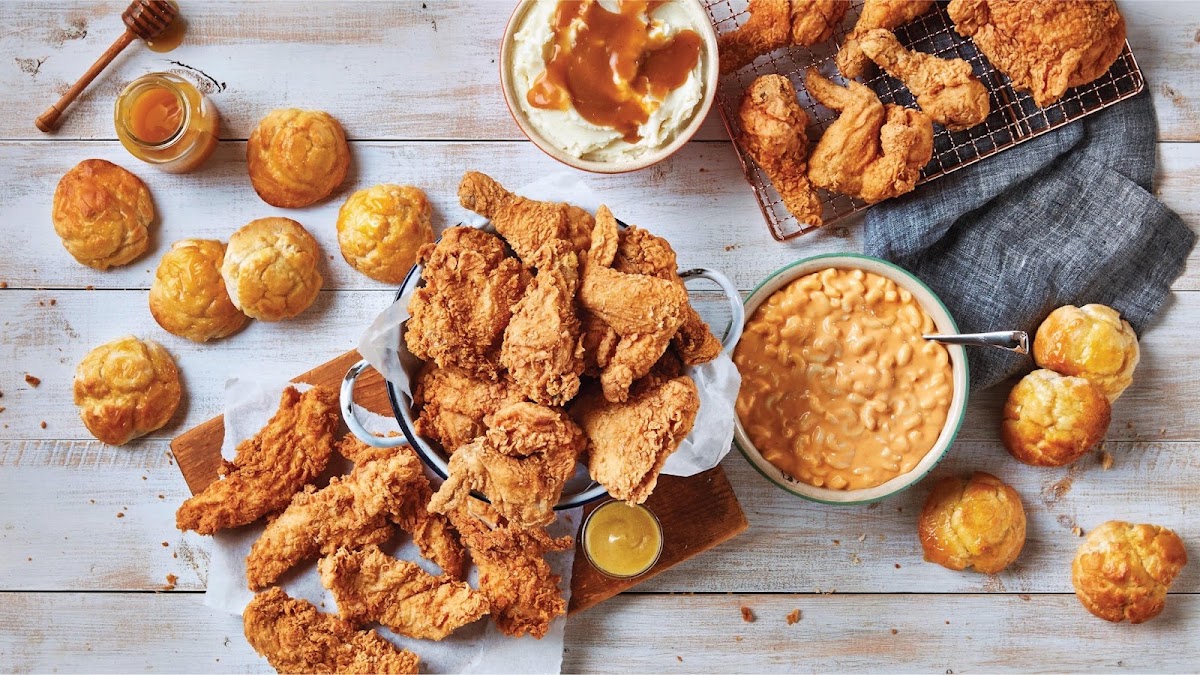
1800 E Merritt Island Cswy, Merritt Island, FL 32952, United States
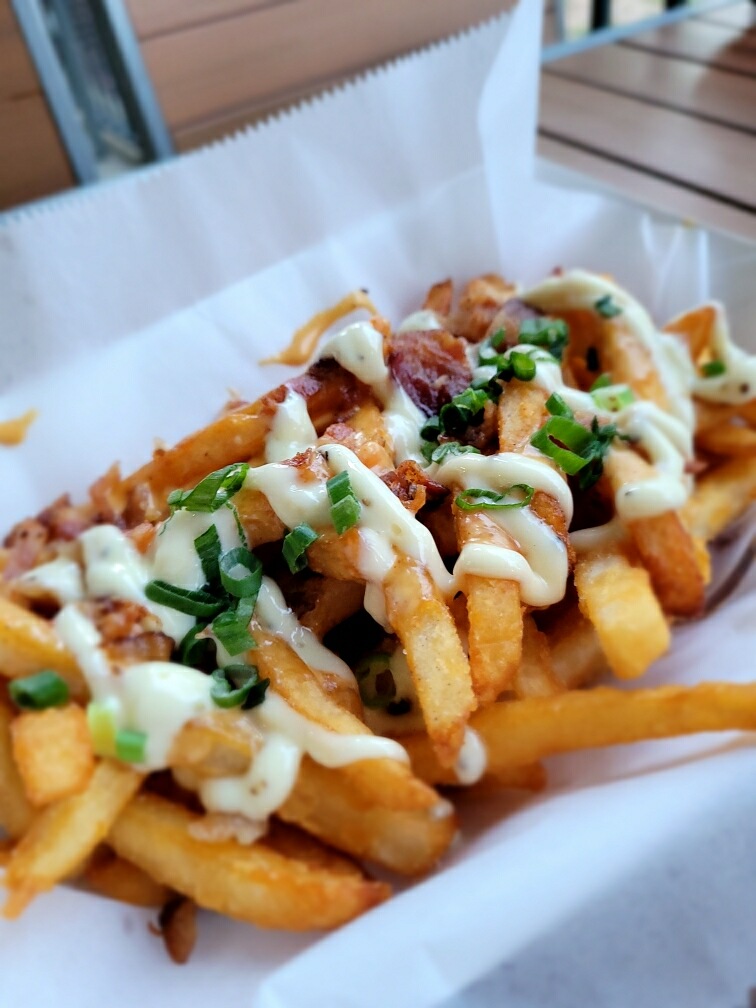
7101 Highland Creek Pkwy, Charlotte, NC 28269, United States
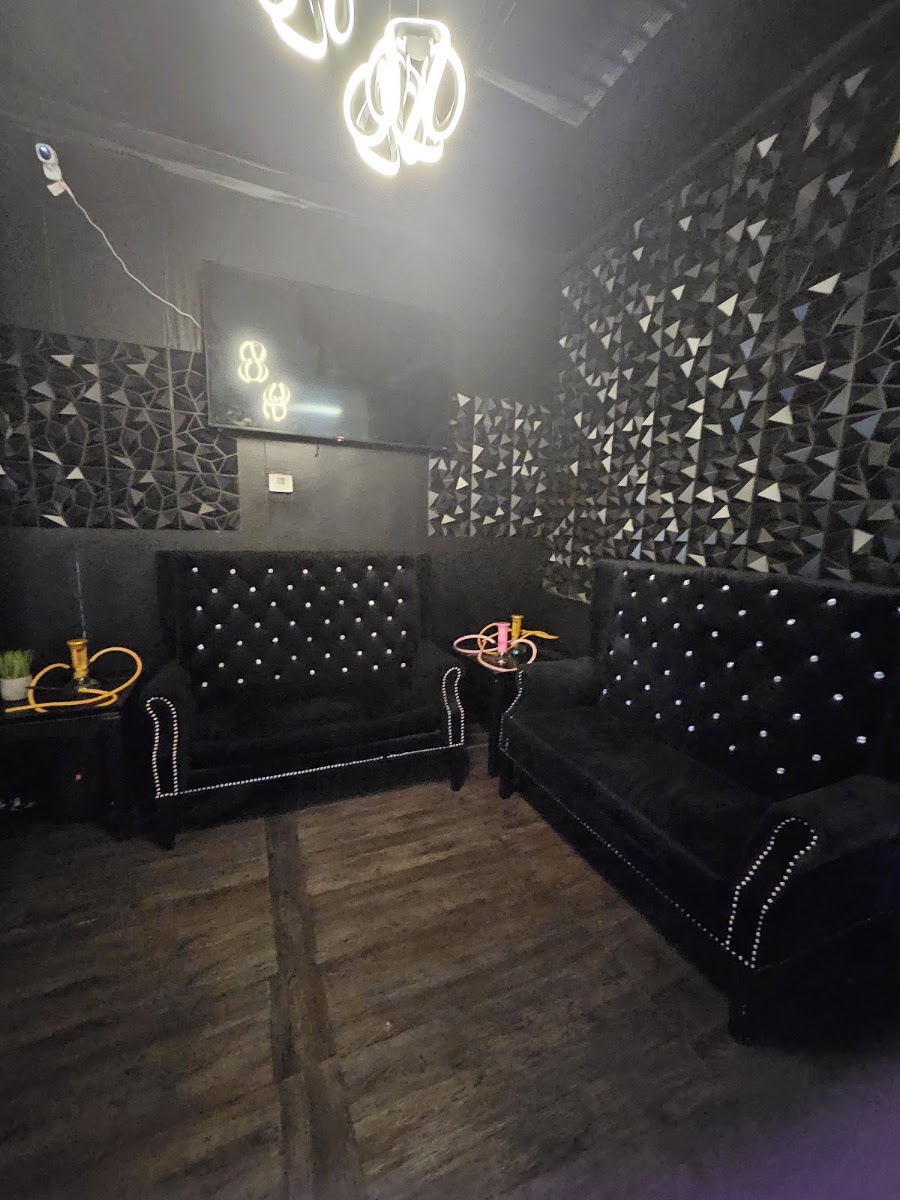
400 Carlton Rd Ste A, Palmetto, GA 30268, United States
When the whole menu and the details that matter are held in one destination, you spend less of the evening chasing what is missing and more of it deciding with confidence.
Read a whole card in one go and the kitchen accent comes through: which dish gets the long sentence, which section was written last.
Sections, order and wording say a great deal about a kitchen. Held whole, that structure stays legible.
Open one entry, then the next, without juggling windows, tabs and a second app to fill the gaps between them.
Menuvanta is built for reach and for depth, not for setting venues against one another. Nothing here is scored, ranked or stacked up for comparison - the menu does the talking.
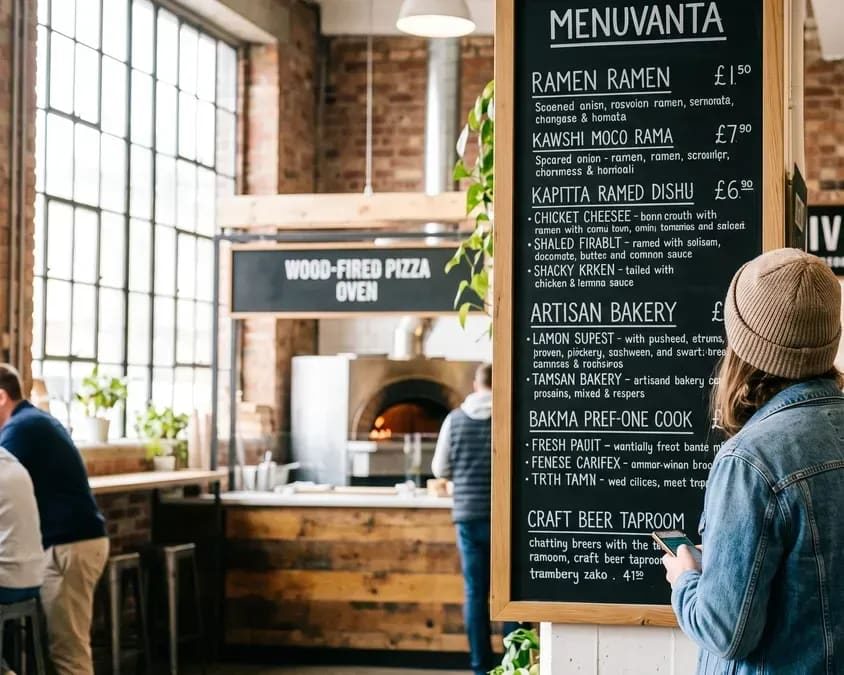
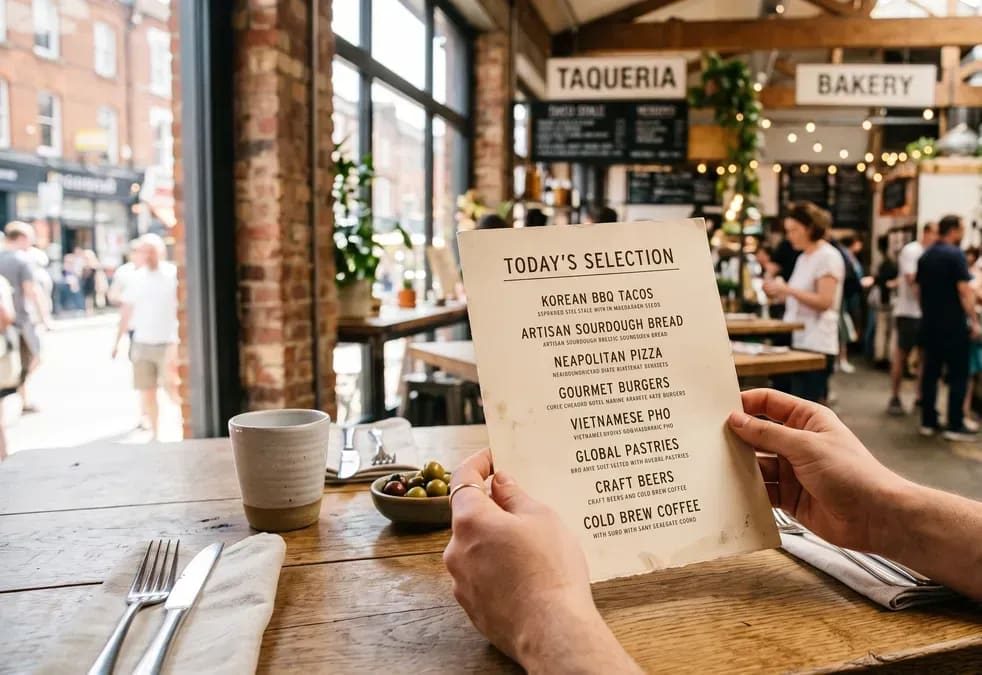
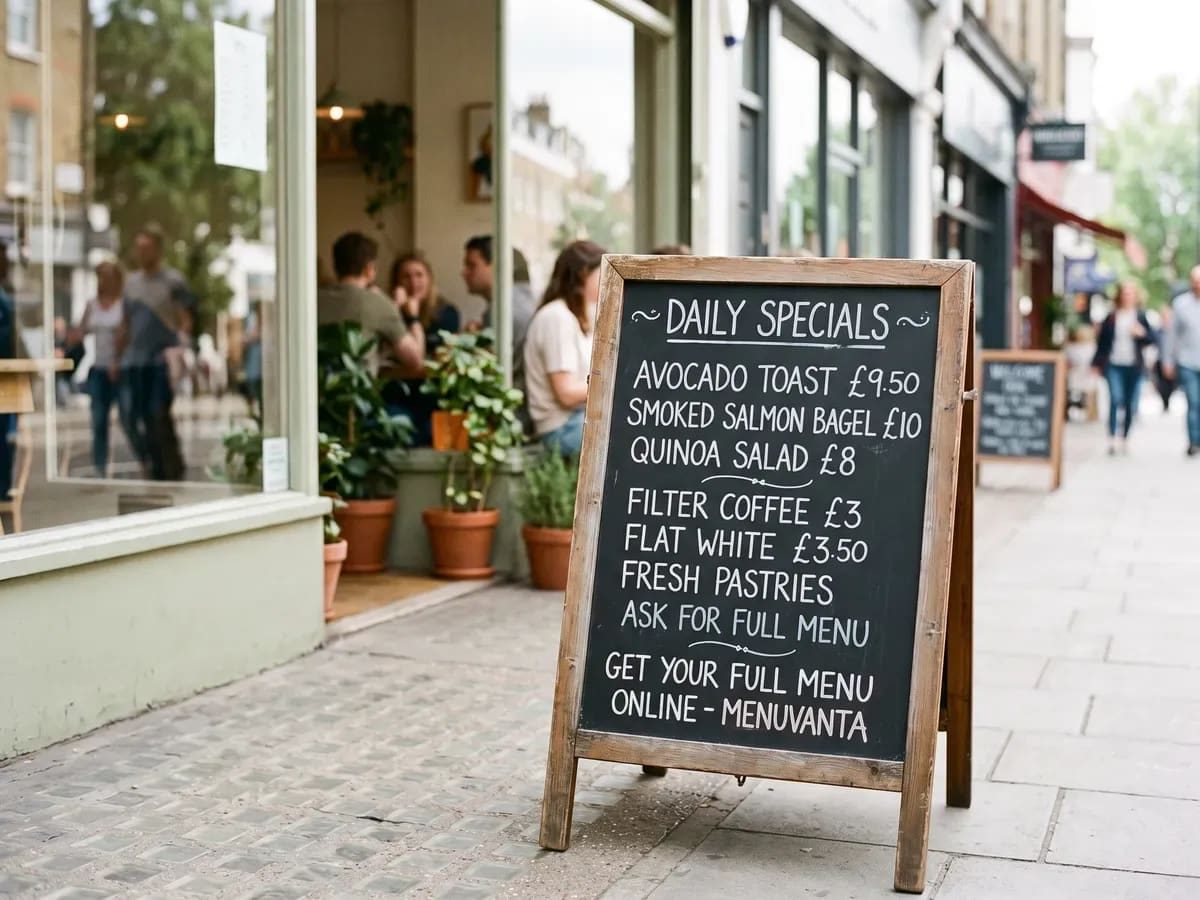
Menuvanta holds full menus - prices and the key details included - so guests can see what you actually serve before they walk through the door.
First-time visitors tend to arrive with the same handful of questions about a destination that holds whole menus from many different places.
Open the whole card and read it together, rather than trading screenshots of a place none of you has seen yet.
The wording the venue uses is here in full, which is usually where the answer sits - and where to start if you need to confirm something.
Menus move in the real world. The answers page sets out how entries are kept aligned with what venues present.
There is a route for saying so, and it is read by the people responsible for how menus appear here.
Keep opening menus. Move between kinds of places and parts of the world as the mood takes you, and let the entries do the explaining - the live run of them sits on Every Menu Open Here, and the doorways into the wider span are on The Reach.
If you run a room and want your menu held here, Bring Your Menu covers what that involves. If something is still unclear, What People Ask answers by the situation you are in.