
Respect for the people behind the room
A menu is somebody’s work. It is carried as written, not quietly improved on by a stranger who has never stood in the kitchen.
Menuvanta was built to gather full menus - the dishes, the prices, the details that place a room - from food places around the world into a single destination, so that finding out what somewhere serves stops being a job of stitching several tools together.
The gap it fills is a familiar one. A map tells you where a place is. A review tells you what somebody made of it. A booking tool tells you whether there is a table on Friday. Between the three of them, nobody quite gets round to telling you what is on the card - which is the one thing that decides whether the evening is worth arranging at all.
The whole card as the venue wrote it: every section, the dish names in their own order, the prices in the venue’s own presentation, and the plain facts that tell you where the room stands and what sort of room it is.
Not a review site, not a map, not a booking or delivery service, and not a comparison engine. Nothing here carries a score, and no room is set beside another to see which comes out ahead.
Menuvanta means to span many kinds of venue and many kinds of setting, and it means every entry, once opened, to be as complete as the card allows. Both at once, or neither is worth much.
Which is why menus are added responsibly rather than quickly. No coverage is claimed beyond what has been earned entry by entry, and where a card leaves a gap, the gap is left standing rather than filled in with something plausible.
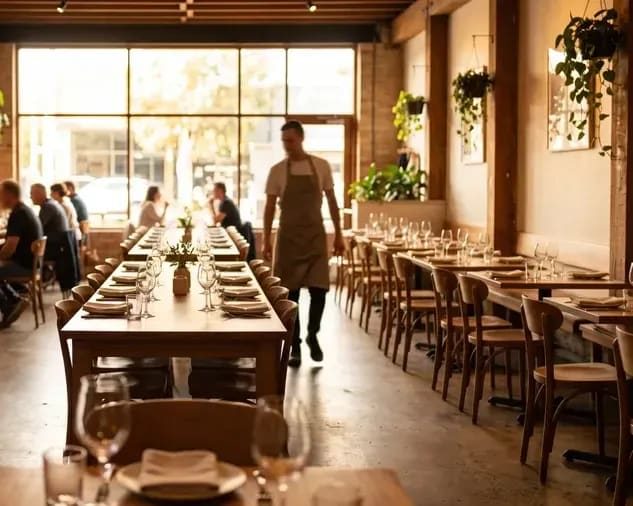
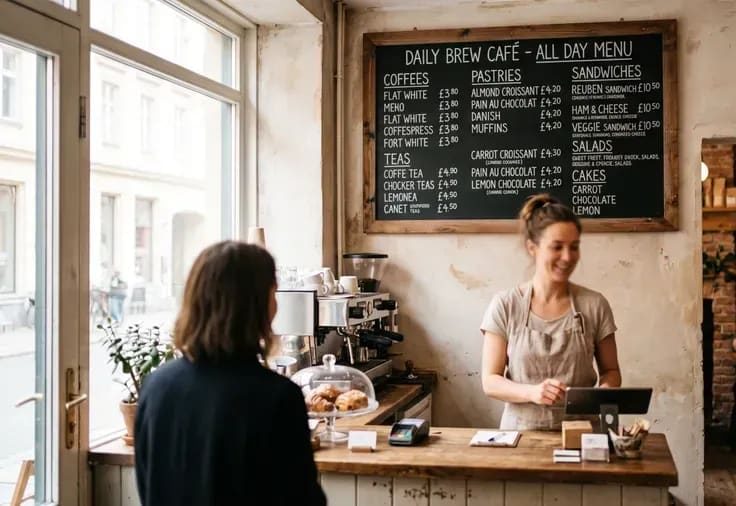
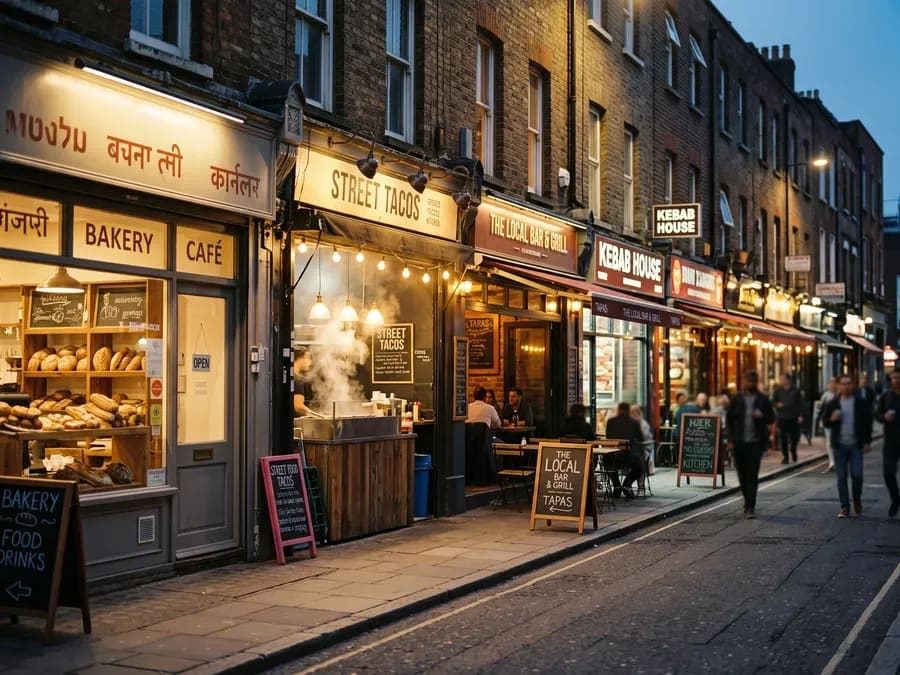
Editorial and data decisions come back to a small set of principles. They are short on purpose - a principle that needs a paragraph to state is usually a preference wearing a better coat.
A menu is somebody’s work. It is carried as written, not quietly improved on by a stranger who has never stood in the kitchen.
Entries rest on actual menus and public details. If a thing cannot be grounded in the card, it does not go into the entry.
Plain sentences, no adjectives borrowed from marketing, and nothing written to make a room sound like more than it is.
Atmosphere is not described from a distance. What an evening in a room feels like is simply not knowable from its card.
Nothing is rated and nothing is ordered by merit. Where a card sits on a page is a matter of layout and carries no verdict.
Being wrong is ordinary. Staying wrong after being told is the actual failure, so corrections are treated as part of the work rather than an interruption to it.
Read together, they describe a fairly modest ambition: show the card, show it whole, and get out of the way.
Menus arrive by a few ordinary routes. Describing them is not process for its own sake - it is so you know what is standing behind an entry at the moment you open it.
A venue sends its card, claims an entry that already exists, or says the card has changed. The shortest route, and the one that stays closest to what is being served today.
Where a venue publishes its menu, that card can be read and carried across - provided it can be attributed to the room without guesswork.
Readers write in when a place is missing or an entry has slipped behind. A surprising share of the reach began as somebody’s passing note.
Whichever route a card comes by, the same checks stand between it and the moment it becomes something you can open: that the menu is real, that it is current within reason, and that it clearly belongs to the venue named against it. An entry that cannot clear those is better left unbuilt than built on a guess.
Two pages carry most of that weight. Bring Your Menu is where venue teams put a card forward or set one straight, and Open Line is where anyone else says that something has moved. Between them sits most of the honesty in this.
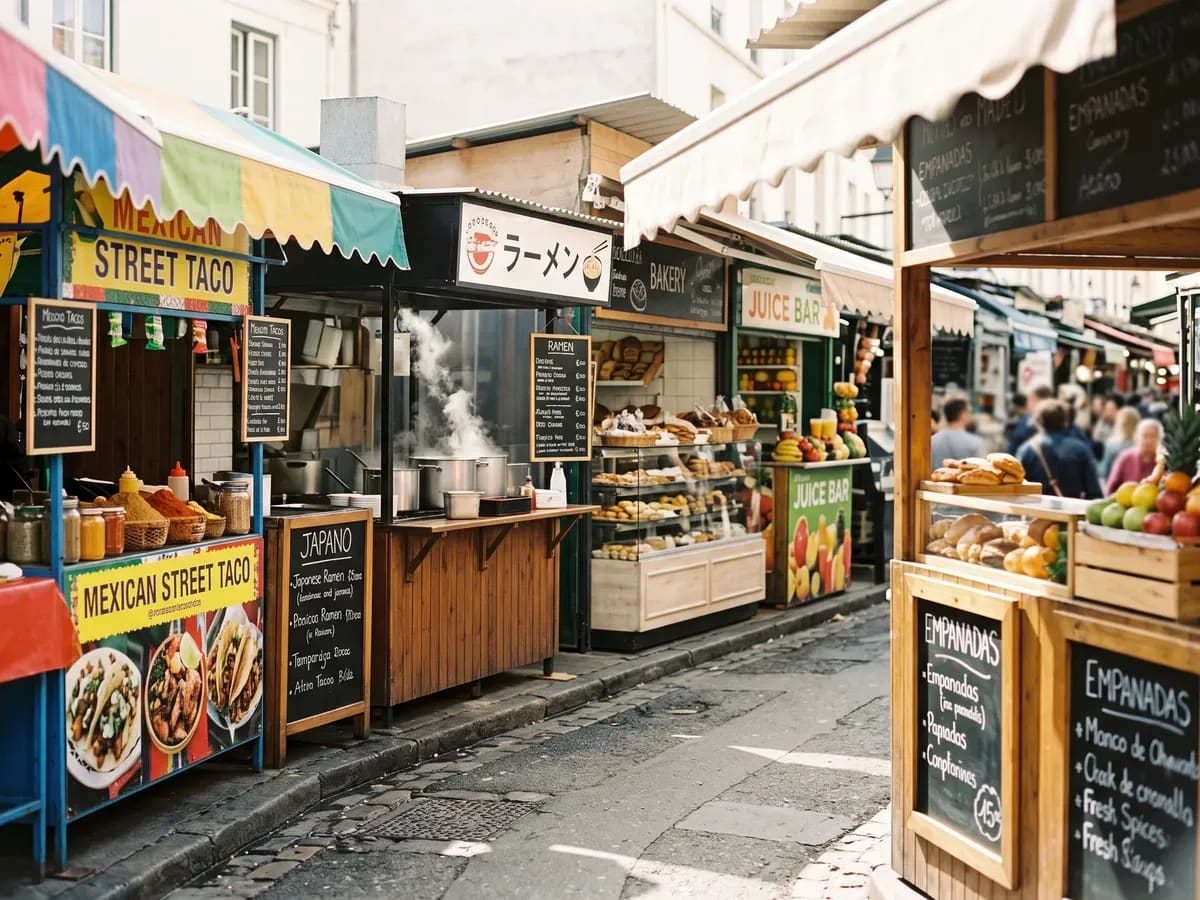
The span will keep widening, new kinds of room will keep turning up inside it, and the way a menu is presented will keep improving. What does not move is the idea underneath: one destination, complete menus.
None of that happens from the inside alone. It happens because people keep opening menus, keep saying when something has moved, and keep bringing their own cards forward.